
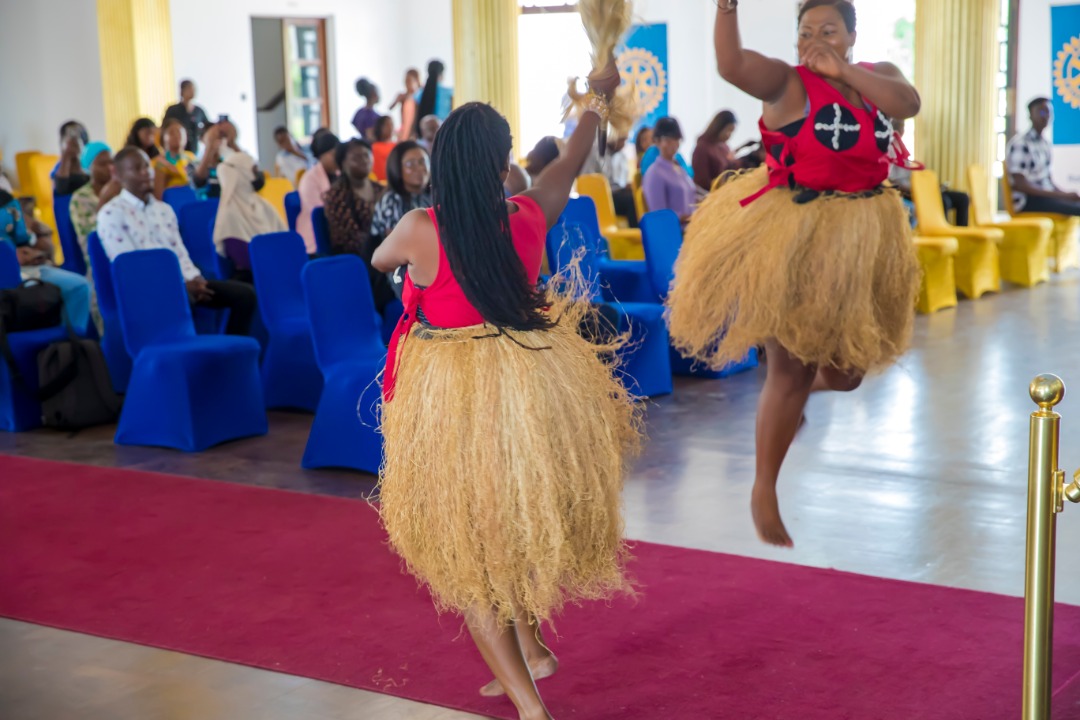
Africa is a continent blessed with rich traditions, diverse cultures, and powerful artistic expressions that have existed for centuries. Among the most important elements of African heritage are traditional dance and music — two powerful forms of expression that tell the stories of our ancestors, celebrate community life, and preserve the identity of generations.
At National African Traditional Culture, we believe that traditional dance and music are more than entertainment. They are living history, cultural education, spiritual expression, and a bridge connecting Africa to the rest of the world.
Dance as a Language of Identity
In many African societies, dance is deeply connected to everyday life. Different dances represent:
- Festivals
- Harvest celebrations
- Royal ceremonies
- Rites of passage
- Marriage celebrations
- Spiritual rituals
- Community unity
Each movement carries meaning and reflects the traditions of a specific people or kingdom. Traditional dances such as Adowa, Agbadza, Kpanlogo, Atilogwu, and many others continue to preserve the identity and history of African communities.
Through performance, younger generations learn:
- Respect for tradition
- Cultural values
- Historical stories
- Community cooperation
- African pride
The Spiritual and Emotional Power of African Drumming
African drumming has long been considered the heartbeat of the community. Drums were historically used to:
- Communicate across villages
- Announce ceremonies
- Celebrate victories
- Unite communities
- Tell stories
- Express emotions
Traditional instruments such as the djembe, talking drum, fontomfrom, and kpanlogo drums continue to inspire audiences globally because of their rhythm, energy, and emotional depth.
At National African Traditional Culture, our drumming performances are designed not only to entertain but also to educate audiences about the cultural significance behind every rhythm.
Sharing African Culture with the World
As globalization continues to influence cultures around the world, preserving African traditions has become increasingly important. Many traditional practices risk being forgotten if they are not actively practiced, documented, and promoted.
This is why our organization travels internationally to perform and educate audiences about authentic African culture. Every stage we perform on becomes an opportunity to:
- Promote African tourism
- Correct misconceptions about Africa
- Celebrate African excellence
- Encourage cultural appreciation
- Inspire cultural exchange
Our performances connect people from different backgrounds through the universal language of music and dance.
Promoting Tourism Through Culture
Cultural tourism is one of the fastest-growing sectors in global tourism. Many visitors travel to Africa specifically to experience:
- Traditional festivals
- Indigenous music and dance
- Historical sites
- Traditional cuisine
- African fashion and crafts
- Cultural ceremonies
By showcasing African traditions internationally, organizations like National African Traditional Culture help attract global interest in African tourism destinations.
Culture introduces the world to the beauty, hospitality, and diversity of Africa.
Preserving the Future
The future of African heritage depends on the younger generation. It is essential to continue teaching traditional music, dance, and storytelling to ensure these treasures survive for centuries to come.
At National African Traditional Culture, we remain committed to:
- Training young performers
- Preserving indigenous traditions
- Promoting cultural education
- Building global cultural connections
- Keeping Africa’s heritage alive
African culture is not just history — it is a living legacy that continues to inspire the world every day.